

In the world of advertising, businesses are constantly seeking the most effective ways to maximize their marketing budgets. At Visual Signs and Graphics, we understand the importance of choosing the right strategy for your brand. In this blog, we compare the vehicle wrap ROI with traditional advertising and explain why wraps can work as a cost-effective, long-term marketing option.
What are Vehicle Wraps?
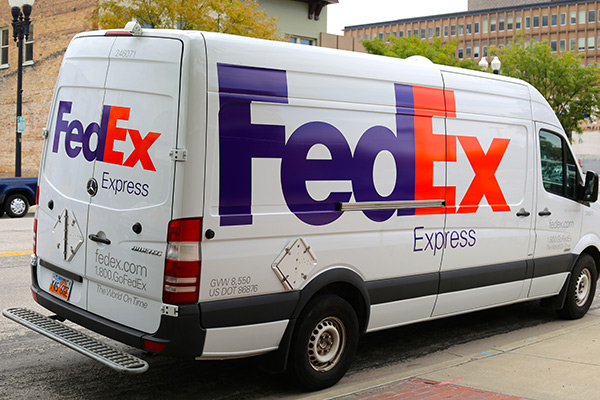
Vehicle wraps are large graphics or decals applied directly to the surface of a car, van, truck, or bus. These wraps serve as moving billboards, showcasing your brand to a wide audience. Unlike traditional paint jobs, vehicle wraps are removable, making them a versatile and cost-effective option for businesses looking to update their branding without a permanent commitment.
The Benefits of Vehicle Wraps
Vehicle wraps offer several advantages over traditional advertising methods:
- Wide Reach: A single wrapped vehicle can generate thousands of impressions daily as it drives through different areas, reaching a diverse audience.
- Cost-effective: Compared to recurring costs of traditional ads, the one-time investment in vehicle wraps can provide long-term benefits.
- Customizable: Designs can be designed around your brand’s unique identity, ensuring consistency across all marketing channels.
- Protection: Wraps can protect the vehicle’s paint from scratches and minor damages, potentially increasing resale value.
Traditional Advertising: An Overview
Traditional advertising includes a range of media, including print (newspapers, magazines), broadcast (TV, radio), and outdoor ads (billboards). These methods have been common choices in the advertising industry for decades, offering a way to reach a broad audience through established channels.
Pros and Cons of Traditional Advertising
While traditional advertising has its strengths, it also comes with limitations:
- Established Reach: Traditional media can reach a wide audience base, especially through popular TV shows or widely-read newspapers.
- High Costs: The recurring costs for placements, especially in prime slots or spaces, can be too expensive for many small to medium-sized businesses.
- Limited Engagement: Traditional ads often lack the interactive components that digital or non-traditional methods can offer.
- Declining Effectiveness: With the rise of digital platforms, traditional media faces challenges in capturing the attention of younger, digital-focused audiences.
Comparing ROI: Vehicle Wraps vs. Traditional Advertising
When comparing the vehicle wrap ROI versus traditional advertising, several factors come into play, including cost, reach, engagement, and longevity.
Cost Analysis
Vehicle wraps generally involve a one-time cost for design and installation, making them a more predictable expense. Traditional advertising, on the other hand, often requires continuous spending to maintain visibility.
- Vehicle Wraps: The average cost for a vehicle wrap can range from $2,500 to $5,000, depending on the size and complexity of the design. This investment can last up to five years, translating to a cost-effective long-term marketing solution.
- Traditional Advertising: Costs can vary widely. For instance, a single full-page ad in a national newspaper can cost upwards of $100,000, while a 30-second TV commercial can range from $200,000 to several million dollars, depending on the time slot and channel.
Audience Reach and Engagement
Both vehicle wraps and traditional advertising offer unique advantages in terms of audience reach and engagement:
- Vehicle Wraps: As mobile advertisements, wraps can reach different audiences across different locations, making them particularly effective for local businesses.
- Traditional Advertising: While traditional media can reach a broad audience, it often lacks the targeted control of more modern advertising methods.
Longevity and Visibility
The longevity of an advertising method directly impacts its ROI:
- Vehicle Wraps: With a lifespan of up to five years, vehicle wraps offer continuous visibility without the need for additional investment.
- Traditional Advertising: Ads in newspapers or on TV require ongoing payments to maintain presence, which can affect long-term ROI.
Case Studies: Success Stories with Vehicle Wraps
Many businesses have used vehicle wraps to enhance their branding and improve ROI. For instance, a local delivery service reported a 30% increase in customer inquiries after wrapping their fleet with noticeable graphics. Similarly, a regional restaurant chain noted a 25% growth in foot traffic following a planned vehicle branding campaign.
The Future of Advertising with Visual Signs and Graphics
As businesses handle the challenges of modern marketing, the choice between vehicle wraps and traditional advertising becomes more important. Vehicle wraps offer a cost-effective, long-term solution that fits the changing needs of brands seeking to maximize their ROI. At Visual Signs and Graphics, we are committed to helping businesses harness the power of vehicle wraps to achieve their marketing goals.
Whether you’re a small business looking to increase local visibility or a larger enterprise aiming for broad reach, vehicle wraps provide a flexible and effective advertising medium. Embrace the future of advertising with us and explore the endless possibilities of vehicle branding. Contact us today for more information.